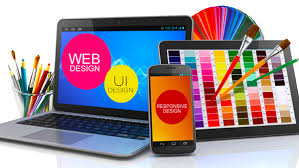
Web Design Trends to Keep Your Site Relevant
Web design is a rapidly evolving field, and staying up-to-date with the latest trends is essential to ensure your website remains relevant, user-friendly, and visually appealing. In this article, we’ll explore some of the web design trends to consider implementing to keep your site current and engaging. So you can dive into it :
- Minimalistic Design: Less is often more in web design. Minimalistic design emphasizes simplicity, with clean layouts, ample white space, and a focus on essential content. It reduces clutter and makes websites easier to navigate.
- Dark Mode: Dark mode has gained popularity due to its visual appeal and potential energy-saving benefits for OLED screens. Providing users with a dark mode option can enhance the user experience, especially in low-light environments.
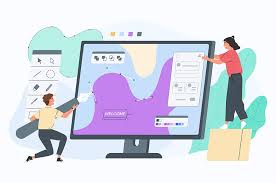
- Mobile-First Design: With the majority of internet traffic coming from mobile devices, a mobile-first design approach is crucial. Ensure your website looks and functions well on smaller screens before optimizing for larger ones.
- Custom Illustrations and Graphics: Unique and hand-drawn illustrations can set your website apart and convey a brand’s personality. Custom graphics also help avoid stock photo clichés.
- Asymmetry and Broken Grid Layouts: Breaking away from traditional grid layouts can create visual interest. Asymmetrical and broken grid designs add a sense of dynamism and unpredictability to websites.
- Microinteractions: These small, subtle animations or interactions (like button hover effects or animated icons) can make your website feel more interactive and engaging.
- 3D Elements and Depth: Adding three-dimensional elements, whether through graphics, typography, or images, can create a sense of depth and realism, enhancing the overall visual appeal.
- Sustainability and Eco-Friendly Design: With growing environmental awareness, sustainable and eco-friendly design practices, such as optimizing website performance for energy efficiency, are becoming more relevant.
- Voice User Interface (VUI): With the rise of voice assistants like Siri and Alexa, incorporating voice user interfaces into your design can enhance accessibility and convenience.
- Typography and Font Pairing: Creative typography choices and font pairing can significantly impact the overall design. Mixing serif and sans-serif fonts or experimenting with bold and unique typefaces can make your website stand out.
- Augmented Reality (AR) and Virtual Reality (VR): While not suitable for every website, AR and VR elements can create immersive and interactive experiences for users, particularly in industries like e-commerce and real estate.
- Neumorphism: This design trend incorporates soft shadows and highlights to create a skeuomorphic appearance, simulating the look of real objects. It can add a tactile and visually appealing aspect to your design.
- Video Backgrounds and Headers: Using videos as backgrounds or in headers can capture users’ attention and tell a story more effectively than static images or text.
- Data Visualization: As data becomes increasingly important, effective data visualization techniques can help users understand complex information quickly. Infographics, charts, and interactive data displays are valuable assets.
- Accessibility: Accessibility should always be a priority. Ensure your website follows accessibility guidelines, making it usable for all users, including those with disabilities.
Remember that while trends are important, they should serve a purpose and align with your brand identity. It’s essential to balance trendy elements with timeless web design principles to create a website that remains relevant and effective over time. Regularly updating and refining your website based on user feedback and emerging trends is key to staying competitive in the digital landscape.
Leave a Reply