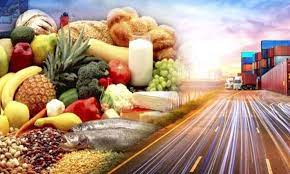
Food exports play a crucial role in the global economy, with countries around the world relying on the trade of agricultural products to sustain their populations and boost their economies. From fruits and vegetables to meat and dairy products, food exports have become an essential component of international trade.
With advances in transportation and technology, the volume of food exports has steadily increased over the years, connecting distant producers and consumers more efficiently than ever before. This article will explore the impact of food exports on various countries, the challenges faced by food exporters, and the potential implications for global food security.
The Impact of Food Exports on Developing Nations
Food exports play a significant role in the economies of developing nations, providing vital sources of income and employment for millions of people. Countries like India and Brazil have emerged as Global Leaders in Food Export, leveraging their vast agricultural resources to meet the demand for food products worldwide. By exporting goods such as rice, coffee, and soybeans, these nations have not only boosted their economic growth but also contributed to global food security by ensuring a stable supply of essential commodities. However, challenges such as climate change, infrastructural limitations, and trade barriers continue to hinder the full potential of food exports in these regions.
The Role of Technology in Enhancing Food Exports
Advances in transportation and communication technology have revolutionized the way food exports are conducted, making it easier for producers to reach new markets and consumers to access a wide variety of products. Platforms like e-commerce websites and online marketplaces have enabled small-scale farmers and artisanal producers to connect directly with international buyers, eliminating the need for intermediaries and reducing costs. As a result, food exports have become more inclusive and diverse, with niche products gaining popularity in foreign markets. Additionally, technologies like cold chain management systems have improved the quality and shelf life of perishable goods, ensuring that products reach their destination in optimal condition.
In conclusion, food exports continue to shape the global economy by providing essential resources, income, and opportunities for both developed and developing nations. Despite challenges such as climate change and trade barriers, countries are leveraging technology to enhance the efficiency and sustainability of food exports. As demand for diverse and high-quality food products grows, it is imperative for governments and stakeholders to address these challenges and promote a more inclusive and resilient global food trade system. Food exports will continue to play a vital role in ensuring food security and economic prosperity around the world for years to come.
Leave a Reply